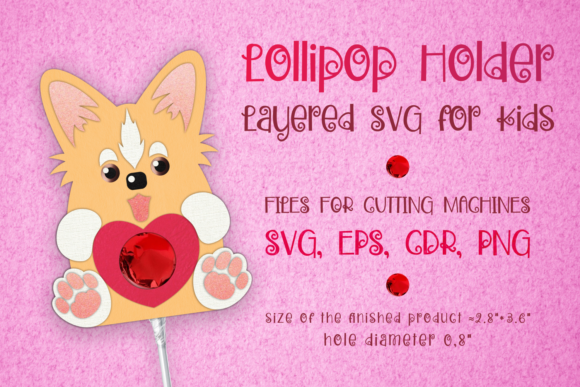
Dog Lollipop Holder Valentines Template
Integrating digital assets into physical production workflows requires a clear understanding of file compatibility, design structure, and end-use application. The Dog Lollipop Holder Valentines Template serves as a precise digital blueprint for creators looking to produce small-scale, high-impact party favors or classroom gifts. This specific asset is not merely a static image; it is a multi-layered vector and raster package designed for cutting machines and detailed crafting processes. For professionals in the handmade goods sector, educators planning classroom events, or parents organizing social gatherings, this template streamlines the transition from concept to finished product.
The core value of this template lies in its structural integrity and format versatility. By providing files in CDR, EPS, SVG, and PNG formats, the package accommodates a wide spectrum of software environments. Whether you are operating within the CorelDRAW ecosystem for professional vector editing, using Adobe Illustrator for complex graphic manipulation, or utilizing simpler cutting machine software like Silhouette Studio or Cricut Design Space, there is a compatible file type available. This flexibility ensures that the asset can be integrated into existing production pipelines without requiring expensive software upgrades or extensive file conversion troubleshooting.
Understanding Multi-Layer Design for Production Efficiency
A critical aspect of this digital product is its multi-layer architecture. In the context of physical crafting, "multi-layer" refers to distinct graphical elements that are separated within the file structure. For a lollipop holder, this typically means separate layers for the background shape, the dog illustration, decorative elements, and potentially text or cut lines. This separation is vital for two reasons: aesthetic customization and manufacturing precision.
When working with layered designs, you gain the ability to isolate specific components for modification. If you wish to change the color of the dog’s collar or remove a specific decorative border, you can do so without affecting the rest of the composition. This modularity supports a more efficient creative workflow, allowing for rapid iteration and personalization. For bulk production scenarios, such as preparing treats for an entire kindergarten class, this feature allows you to quickly adjust dimensions or swap out minor details across multiple copies while maintaining visual consistency.
Furthermore, multi-layer designs often include pre-set cut lines or registration marks that align with the capabilities of electronic cutting machines. These machines rely on clean, continuous paths to execute precise cuts through materials like cardstock, vinyl, or adhesive paper. A well-structured SVG or CDR file ensures that these paths are optimized, reducing the likelihood of jammed blades, incomplete cuts, or wasted material. This attention to technical detail directly impacts the quality control phase of your project, ensuring that every unit produced meets a consistent standard.
File Format Compatibility and Software Requirements
Before initiating any production run, verifying software compatibility is a necessary preparatory step. The inclusion of four distinct file formats caters to different user expertise levels and hardware constraints. Understanding which format to select based on your specific workflow can save significant time and prevent rendering errors.
- SVG (Scalable Vector Graphics): This is the most universally supported format for modern cutting machines, including those from Cricut and Silhouette. SVGs are resolution-independent, meaning they can be scaled up or down without losing quality. This is ideal for resizing the lollipop holder to fit different diameter lollipops or adjusting the overall size for display purposes. Most free and paid cutting software natively support SVG imports.
- CDR (CorelDRAW) and EPS (Encapsulated PostScript): These formats are preferred by professional designers who require advanced vector editing capabilities. They allow for non-destructive editing of curves, nodes, and colors. If you plan to integrate the lollipop holder design into a larger branding campaign or need to make significant structural changes to the layout, these formats provide the necessary control.
- PNG (Portable Network Graphics): While PNGs are raster images rather than vectors, they are included for users who may want to print the design directly onto paper using a standard inkjet or laser printer. This option is useful if you do not have access to a cutting machine and prefer a manual assembly process. However, note that PNGs lack the precision of vector files for intricate cut lines.
It is important to ensure that your computer has the appropriate software installed to open and edit these files. For instance, opening a CDR file in a basic web browser or a simple image viewer will result in an error. Always verify that your design suite matches the file extension provided in the download package. Additionally, when importing SVGs into cutting software, check the layer panel to ensure all elements are ungrouped and correctly aligned before sending the job to the cutter.
Integration into Creative and Educational Workflows
The utility of the Dog Lollipop Holder Valentines Template extends beyond simple decoration; it fits into broader educational and community-building activities. For educators, this template offers a structured activity that combines technology with tactile learning. Students can engage with the digital aspect by selecting colors or printing the design, and then participate in the physical assembly by folding, gluing, and attaching the lollipop. This hands-on approach reinforces fine motor skills and provides a tangible outcome for their efforts.
For small business owners and hobbyists selling handmade items, this template represents a scalable solution. Instead of designing each lollipop holder from scratch, you can utilize this base asset to generate inventory quickly. By varying the paper textures, ribbon colors, or attached charms, you can create unique variations of the same product. This strategy allows for market testing with minimal upfront design cost. You can offer personalized versions where the recipient’s name is added via a simple text layer adjustment, increasing the perceived value of the item.
In a family context, this project serves as an excellent opportunity for intergenerational collaboration. Parents can guide children through the steps of loading the mat into the cutting machine or assembling the final product. The process teaches patience, attention to detail, and the satisfaction of creating something for others. It transforms a routine Valentine’s Day exchange into a memorable shared experience centered around creativity and care.
Practical Implementation and Quality Control
To achieve the best results, proper preparation of materials is essential. Although the package includes digital files, it explicitly states that paper texture is not included. This means you must source your own cardstock or specialty paper. The choice of paper significantly affects the final appearance and durability of the lollipop holder. Thicker cardstock (e.g., 80lb or higher) provides better structural integrity, preventing the holder from bending under the weight of the candy. Matte finishes often yield cleaner cut lines, while glossy papers may require adjusted blade settings to avoid tearing.
During the execution phase, always perform a test cut on scrap material before committing to your final stock. Cutting machines can vary in calibration, and environmental factors like humidity can affect how paper feeds through the device. A quick test ensures that the blade depth and speed are set correctly for your chosen material. Once satisfied, proceed with the full batch production.
Assembly requires precision. Align the folded edges carefully to ensure the lollipop sits securely. Use strong adhesives suitable for paper and plastic to prevent the holder from falling apart during handling. If you are producing these for sale, consider adding a small tag with care instructions or a heartfelt message to enhance the customer experience. Consistency in assembly technique is key to maintaining a professional look, especially when producing large quantities.
Long-Term Value and Asset Management
Acquiring this digital template is a one-time investment that yields long-term benefits. Unlike physical supplies that deplete with use, digital files can be reused indefinitely. You can store the Dog Lollipop Holder Valentines Template in a organized digital library, categorized by holiday, theme, or project type. This organization facilitates easy retrieval for future events, whether it is Easter, Halloween, or a birthday party. Over time, as you accumulate more templates, you build a comprehensive resource library that reduces planning time and enhances your capacity to deliver diverse creative projects.
Moreover, the multi-format nature of the download encourages skill development. As you become more comfortable with SVGs, you might explore more complex vector edits using CDR or EPS files. This progression allows you to expand your technical capabilities and take on more sophisticated design challenges. The template acts as a foundational tool that supports both immediate project needs and long-term professional growth.
In summary, the Dog Lollipop Holder Valentines Template is a versatile, technically robust asset designed for efficiency and creativity. By leveraging its multi-layer structure and broad format compatibility, you can streamline your production process, enhance the quality of your output, and create meaningful connections through thoughtful gifting. Proper preparation, careful execution, and strategic asset management will ensure that this digital product delivers maximum value in your workflow.