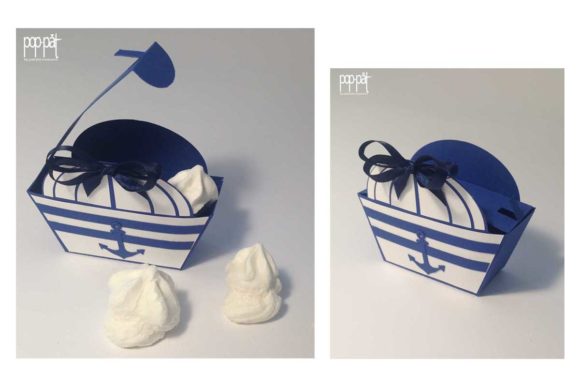
Sailor Hat SVG DXF PDF Cricut Compatible with Silhouette Studio, Cricut Design Space, Scan-N-Cut
In the world of digital crafting and graphic design, the intersection of nautical charm and modern precision creates a unique visual language that resonates across various creative platforms. The Sailor Hat is more than just a simple icon; it represents a timeless aesthetic that brings maritime flair to contemporary projects. Whether you are a seasoned graphic designer looking to add thematic depth to a brand identity or a hobbyist preparing for your next cutting project, understanding how to leverage this specific design asset can significantly elevate your work.
This versatile file set, available in SVG, DXF, and PDF formats, is engineered for seamless compatibility with industry-leading software like Silhouette Studio, Cricut Design Space, and Brother’s Scan-N-Cut. For Cricut users, the process begins by opening the SVG_Cricut folder and carefully reading the notes contained within. These instructions are crucial for ensuring optimal layering, scaling, and material selection, guaranteeing that your final cut is as precise as the original vector design.
The Role of Nautical Themes in Modern Visual Design
Nautical aesthetics have experienced a resurgence in recent years, blending classic maritime elements with modern minimalism. This trend is particularly effective in branding and editorial design, where clean lines and structured compositions are paramount. The Sailor Hat serves as a focal point in this visual hierarchy, offering a recognizable symbol that conveys themes of adventure, tradition, and coastal living.
From a graphic design perspective, incorporating such thematic elements requires attention to detail. It is not merely about placing an image on a canvas; it is about integrating the motif into a cohesive visual system. When used correctly, these assets enhance user engagement by creating an immediate emotional connection with the audience. This is especially true in social media graphics and packaging design, where first impressions dictate consumer interest.
Practical Applications Across Creative Projects
The adaptability of vector-based designs like the Sailor Hat allows for extensive application across multiple disciplines. Here is how this asset can be utilized to improve your design workflow:
- Branding and Logo Design: Use the hat as a primary emblem or secondary accent in logos for beachwear brands, seafood restaurants, or travel agencies. Its scalable vector nature ensures it remains crisp at any size, from business cards to billboards.
- Merchandise and Apparel: Perfect for screen printing or heat transfer vinyl (HTV) applications. The clean edges of the SVG format make it ideal for t-shirts, tote bags, and hats, ensuring professional presentation without pixelation.
- Social Media Graphics: Create eye-catching posts for Instagram or Pinterest. Pair the nautical theme with a complementary color palette—such as navy blue, crisp white, and sandy beige—to maintain visual consistency across your digital marketing channels.
- Editorial and Web Design: Incorporate the motif as decorative dividers, page headers, or UI icons. In web design, subtle nautical touches can guide UX design by providing familiar visual cues that enhance navigation and readability.
- Packaging Design: Enhance product packaging for artisanal goods, candles, or beverages. The high-resolution PDF version allows for detailed print design work, while the DXF file supports die-cutting processes for custom box shapes.
Evaluating Quality and Compatibility
When selecting creative assets, designers must prioritize scalability and clarity. Vector files like SVG and DXF are preferred because they rely on mathematical equations rather than pixels, allowing for infinite resizing without loss of quality. This is essential for maintaining a polished look across different mediums, whether you are designing for small-scale digital products or large-format print design.
Compatibility is another critical factor. The provided files are optimized for popular cutting machines and design software. By following the guidelines in the SVG_Cricut folder, users can avoid common pitfalls such as incorrect layer order or improper grouping, which can lead to messy cuts or rendering errors. This attention to technical detail ensures that the design workflow remains smooth and efficient.
Enhancing Brand Identity Through Consistency
A strong brand identity relies on consistency in typography, color, and imagery. The Sailor Hat fits well within a broader design system when paired with appropriate fonts and colors. For instance, using a serif font might evoke a sense of tradition and luxury, while a sans-serif font could suggest modernity and approachability. By aligning the visual style of the hat with your overall design goals, you create a unified message that strengthens brand recognition.
Furthermore, consider the context in which the design will appear. In advertising campaigns, the visual impact of the Sailor Hat can be amplified through strategic composition and lighting. In contrast, for UI design, simplicity and clarity should take precedence to ensure usability. Understanding these nuances allows designers to make informed decisions that enhance both aesthetics and communication.
Ultimately, the value of a design asset lies in its ability to serve the creator’s vision while meeting technical requirements. By choosing high-quality, compatible files and applying thoughtful design principles, you can transform a simple graphic into a powerful tool for visual storytelling. Embrace the versatility of the Sailor Hat to bring a touch of maritime elegance to your next project, ensuring that every detail contributes to a professional and engaging result.