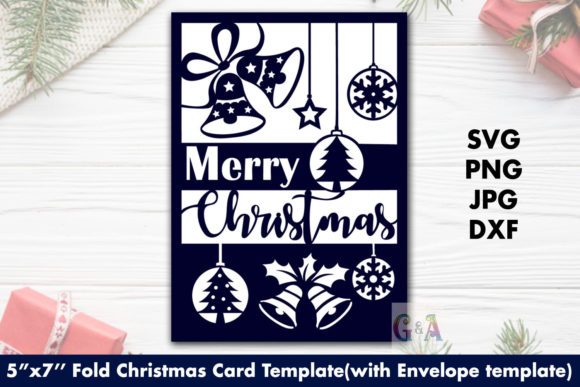
Layer Paper Cut Christmas Card SVG
The holiday season is often defined by the small, tactile moments that bring warmth to our homes. In an era dominated by digital communication, there is a profound satisfaction in creating something physical, intricate, and personal. The Layer Paper Cut Christmas Card SVG collection offers a sophisticated solution for creators who want to bridge the gap between digital precision and handmade charm. This isn't just about printing a card; it is about designing a multi-dimensional experience using the art of shadow boxing and papercraft.
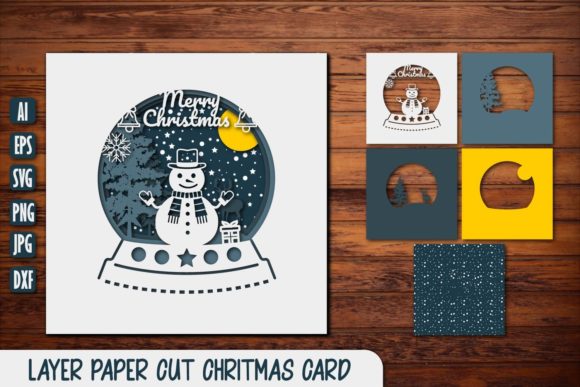
These digital download files are designed for those who appreciate depth and detail. By utilizing five distinct layers, you can transform a simple flat design into a dynamic scene that plays with light and shadow. Whether you are a seasoned graphic designer looking to expand your product offerings or a hobbyist seeking a meaningful gift project, this resource provides the technical foundation for high-quality results. The inclusion of multiple file formats ensures compatibility across various cutting machines and software environments, making the creative process accessible and efficient.
Understanding the Digital Papercraft Advantage
At its core, the Layer Paper Cut Christmas Card SVG concept relies on the principle of parallax. When you stack layers of paper at different depths from a light source, each layer casts a subtle shadow on the one below it. This creates a sense of three-dimensionality without the need for complex folding or structural engineering. For designers, this means you can achieve a premium, boutique look with relatively straightforward tools. The files provided—ranging from vector formats like AI, EPS, and SVG to raster images like JPG and PNG—allow for flexibility in how you approach the build.
The versatility of these formats is a significant benefit. If you use a Cricut or Silhouette machine, the SVG and DXF files provide clean, cut-ready paths that ensure precision. For those who prefer hand-cutting or laser engraving, the AI and EPS files offer editable vectors that can be scaled without losing quality. Meanwhile, the 300 dpi high-resolution JPG and PNG files serve as excellent reference guides or templates for tracing. This comprehensive package removes the friction from the prototyping phase, allowing you to focus on material selection and assembly.
Creative Applications Beyond Standard Greetings
While the primary use case is clearly festive greeting cards, the potential applications for these layered designs extend far beyond traditional mail. Creators can adapt these files to create decorative lanterns, which act as stunning ambient lighting for the holidays. By placing an LED tea light behind the layered paper, the shadows dance across walls and surfaces, turning a static image into a living piece of decor. This application is particularly effective for home staging or creating a cozy atmosphere in cafes and retail spaces during the winter months.
For entrepreneurs and small business owners, these designs offer a unique value proposition. Instead of selling mass-produced cards, you can offer "DIY Kits" where customers purchase the pre-cut layers and assemble them themselves. This interactive element adds perceived value and extends the engagement time with the brand. Similarly, educators and makerspaces can use these files for workshops focused on geometry, spatial reasoning, and fine motor skills. The step-by-step nature of layering teaches patience and attention to detail, making it an ideal project for all ages.
Adapting for Different Audiences and Contexts
One of the strengths of digital assets is their adaptability. A single layered design can be reimagined for various audiences by tweaking colors, materials, and accompanying text. For a corporate audience, consider using a monochromatic palette with metallic foils or textured heavy-stock paper. This elevates the design from festive to elegant, suitable for client appreciation gifts. For children’s parties or classroom decorations, bright colors and simpler layer counts might be more appropriate, though the five-layer structure still provides enough complexity to keep older kids engaged.
Bloggers and content creators can leverage these visuals for high-engagement social media posts. The interplay of light and shadow makes for compelling photography. Tutorials showing the assembly process of the Layer Paper Cut Christmas Card SVG perform well on platforms like Pinterest and Instagram, driving traffic back to your site. By documenting the creation process, you not only showcase the final product but also establish authority in the crafting niche. Providing tips on glue placement, alignment techniques, and lighting setups adds practical value that readers will return to.
Technical Considerations for Professional Results
To get the most out of these digital files, understanding the technical nuances is crucial. The difference between a good result and a great one often lies in the materials chosen. While standard printer paper works for quick prototypes, heavier cardstock (between 180gsm and 300gsm) holds its shape better and allows for sharper cuts. When assembling the layers, spacing is key. Using foam adhesive dots or thin strips of double-sided tape between layers creates the necessary depth. Too little space flattens the effect; too much can make the structure unstable.
Alignment is another critical factor. Because the design relies on precise layering, any shift in position can ruin the illusion. Many creators use a temporary tacky glue or a low-tack painter’s tape to hold layers in place while adjusting. Once satisfied with the alignment, permanent adhesive is applied. For the Layer Paper Cut Christmas and Happy New Year Card SVG sets, paying attention to the negative space is equally important. The cutouts allow light to pass through, so ensuring that adjacent layers do not block each other’s intended highlights is essential for maintaining visual clarity.
Optimizing for Print and Display
If you plan to sell these items or display them publicly, consistency is vital. Establish a standard workflow for cutting and assembly to ensure that every unit looks uniform. This is especially important if you are fulfilling orders for online marketplaces. Clear instructions included with your products can reduce customer support queries and enhance the user experience. Consider including a suggested color palette or material list to guide users toward professional-looking outcomes.
Furthermore, think about the presentation. A finished layered card or lantern looks best when displayed against a dark background or illuminated from behind. Encourage your audience to experiment with lighting angles. Natural morning light can highlight the texture of the paper, while artificial backlighting emphasizes the silhouette. By providing context on how to best enjoy the final product, you add an educational layer to your offering that goes beyond the mere delivery of a file.
Conclusion: Embracing Tangible Creativity
The Layer Paper Cut Christmas Card SVG represents more than just a digital asset; it is an invitation to slow down and engage in the craft of creation. In a world of instant gratification, taking the time to cut, align, and assemble layers offers a meditative break and a tangible reward. Whether you are designing for clients, teaching a class, or simply decorating your own home, these files provide a robust framework for beautiful results. By combining technical precision with artistic vision, you can create pieces that resonate deeply with recipients, turning simple greetings into lasting memories.
As you explore the possibilities of these five-layered scenes, remember that experimentation is part of the joy. Try mixing textures, incorporating ribbons, or adding embellishments to personalize the base design. The files are a starting point, but your creativity determines the final impact. With the right tools and a bit of patience, you can produce work that stands out, bringing a touch of handmade elegance to the modern holiday season.