The Art of Precision: Leveraging Layered Mandala SVG and Mandala Papercraft in Modern Creative Workflows
In the rapidly evolving landscape of digital crafting and print-on-demand markets, the intersection of traditional artistry and modern technology has given rise to a sophisticated niche: Mandala Papercraft. At the heart of this trend lies the Layered Mandala SVG, a versatile digital asset that bridges the gap between intricate design theory and accessible home production. For professionals, entrepreneurs, and hobbyists alike, understanding the technical and aesthetic nuances of these files is no longer just a matter of craft; it is a strategic advantage in meeting the growing consumer demand for personalized, high-quality decorative items.
This article explores the mechanics, applications, and market relevance of Layered Mandala SVG cut files, providing a detailed look at how they function within contemporary creative ecosystems. From software compatibility to file format versatility, we will examine why this specific digital product has become a staple for those utilizing cutting machines like Cricut and Silhouette Cameo.
Defining the Medium: What is Layered Mandala SVG?
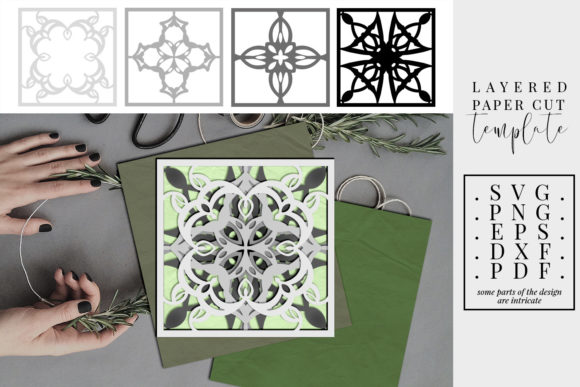
To understand the value proposition of Layered Mandala SVG, one must first distinguish it from standard vector graphics. While an SVG (Scalable Vector Graphic) is fundamentally a mathematical representation of lines and curves that can be resized without loss of quality, a "layered" mandala SVG is structured specifically for depth and dimensionality. It is not merely a flat image; it is a collection of distinct cut paths designed to be stacked upon one another.
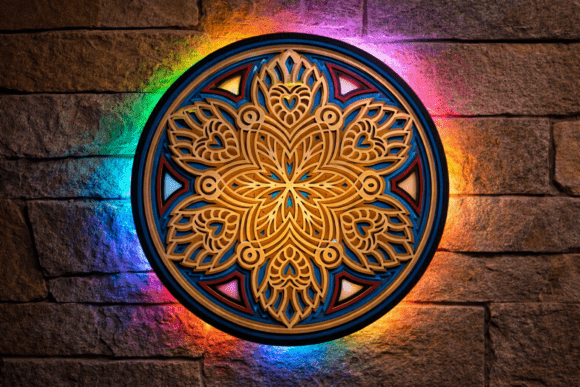
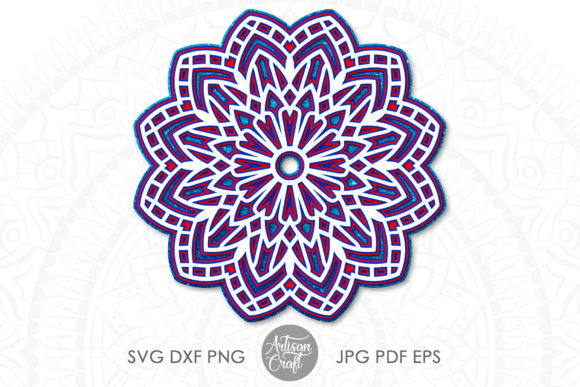
Mandala Papercraft refers to the physical manifestation of these digital layers. By cutting multiple concentric rings or geometric patterns from paper or cardstock and adhering them in sequence, creators produce three-dimensional artwork that plays with light, shadow, and perspective. The Layered Mandala SVG serves as the blueprint for this transformation, offering precise instructions for where cuts must be made to ensure structural integrity and visual harmony.
The Technical Architecture of Cut Files
The efficacy of any papercraft project relies heavily on the precision of its source file. A high-quality Layered Mandala SVG is engineered to work seamlessly with computer-controlled cutting plotters. These devices, such as the Cricut Maker or Silhouette Cameo, read the vector data to guide a blade or laser along exact coordinates. This level of precision is unattainable through manual cutting alone, allowing for complex interlocking designs that define the Mandala Papercraft aesthetic.
For professionals in the design space, the ability to manipulate these layers offers unparalleled control over the final output. Whether creating wall art, greeting cards, or architectural models, the digital nature of the SVG ensures that every curve and angle is mathematically perfect before the material ever touches the machine.
Market Relevance and Consumer Trends
The surge in popularity of Mandala Papercraft is not an isolated phenomenon but rather a reflection of broader shifts in consumer behavior and lifestyle preferences. In an era dominated by digital screens, there is a palpable craving for tactile, hands-on experiences. This "analog renaissance" has fueled the growth of the maker movement, where individuals seek to create tangible objects that possess both beauty and function.
Furthermore, the customization economy plays a significant role. Consumers are increasingly moving away from mass-produced decor in favor of unique, handmade items that reflect personal taste. Layered Mandala SVG files empower creators to produce bespoke artworks that can be tailored to specific color palettes, sizes, and themes. This adaptability makes them highly valuable for small business owners operating in the Etsy marketplace or local craft fairs.
Accessibility for Home Creators
One of the most compelling aspects of Layered Mandala SVG is its democratization of complexity. Historically, creating intricate geometric art required advanced skills in drafting or sculpture. Today, thanks to user-friendly software interfaces, even novice users can produce professional-grade results. This accessibility extends to family activities as well; parents utilize these files to provide children with engaging, screen-free activities at home that foster fine motor skills and spatial reasoning.
By simplifying the barrier to entry, Mandala Papercraft transforms from a specialized craft into a mainstream lifestyle activity. The ease of use associated with digital downloads allows enthusiasts to experiment with different materials—from delicate tissue paper to sturdy chipboard—expanding the potential applications of the art form.
File Format Versatility and Workflow Integration
A critical factor in the adoption of Layered Mandala SVG is the comprehensive nature of the digital download. Professional workflows rarely rely on a single file type. Instead, designers and producers require a suite of formats to accommodate various stages of production, from initial visualization to final manufacturing. The inclusion of multiple file types in a single package reflects a deep understanding of these diverse needs.
Understanding the Suite of Included Files
- SVG (Scalable Vector Image): This is the primary cut file, essential for use in Cricut Design Space, Silhouette Studio, and other vector-based editing software. Its scalability ensures that the design can be enlarged for large wall installations or reduced for small jewelry components without pixelation.
- PNG (Portable Network Graphics): Provided with a transparent background, PNGs serve as high-resolution previews, clipart, or digital stamps. They are invaluable for marketing materials, allowing sellers to display the product clearly on websites without a distracting white box.
- JPG (Joint Photographic Experts Group): With a white background, JPGs offer a straightforward preview image suitable for basic viewing or printing reference sheets where transparency is not required.
- DXF (Drawing Exchange Format): This format is crucial for compatibility with CAD (Computer-Aided Design) and Autodesk applications. It also supports laser cutting machines, expanding the range of materials that can be used, such as acrylic, wood, or leather.
- EPS (Encapsulated PostScript): Optimized for Adobe Illustrator, this format preserves layer structures and vector data, allowing for advanced editing by professional graphic designers who need to modify the mandala’s geometry.
- PDF (Portable Document Format): Ideal for direct printing, PDFs allow users to create printable versions of the mandala for coloring books or educational materials, further extending the utility of the Mandala Papercraft concept.
All these files are consolidated into a single zip folder, streamlining the user experience. Upon purchase, customers receive instant access to a 5 MB archive containing designs sized at 12″ x 12″. This standardized size is widely compatible with most cutting mats and paper stocks, ensuring that users do not encounter hardware limitations during their projects.
Software Compatibility and Production Efficiency
The success of any digital craft product hinges on its interoperability with existing tools. The Layered Mandala SVG files are meticulously crafted to function across a broad spectrum of industry-standard software. This includes Adobe Illustrator for professional vector manipulation, Inkscape for open-source editing, and CorelDRAW for commercial design environments. Additionally, native integration with Cricut Design Space and Silhouette Studio ensures that hobbyists can upload and cut their files with minimal friction.
For industrial applications, the support for Glowforge and laser-cutting capabilities via DXF and SVG formats opens doors to larger-scale production. Entrepreneurs can leverage these files to create inventory for online stores, knowing that the digital assets are robust enough to handle both small-batch artisanal production and larger automated runs.
Optimizing the Creative Process
The availability of multiple formats reduces the time spent on file conversion and troubleshooting. A designer can start with the EPS file in Illustrator to adjust colors or scales, export the modified version as an SVG for cutting, and use the PNG for social media promotion—all within a cohesive workflow. This efficiency is particularly important for freelancers and marketers who operate under tight deadlines and need reliable, plug-and-play solutions.
Conclusion: The Future of Digital Papercraft
The convergence of artistic tradition and digital innovation is exemplified by Layered Mandala SVG and Mandala Papercraft. As consumers continue to seek meaningful, personalized connections with the objects they own, the demand for high-quality, customizable designs will only grow. For professionals and creators, mastering these digital assets represents more than just learning a new craft; it signifies an adaptation to a market that values precision, versatility, and aesthetic depth.
Whether used for educational purposes, home decoration, or commercial enterprise, the layered mandala offers a timeless canvas for modern expression. By providing a complete suite of file formats and ensuring compatibility with leading cutting technologies, these digital downloads empower a wide range of users to bring intricate, three-dimensional visions to life. As the maker movement continues to expand, the role of the digital cut file as a bridge between imagination and reality becomes increasingly central to the creative economy.
Embracing the capabilities of Layered Mandala SVG allows creators to stay ahead of trends, offering products that are not only visually stunning but also technically superior. In a world saturated with generic content, the handcrafted touch enabled by these tools provides a distinct competitive edge, proving that even in a digital age, the art of paper remains profoundly relevant.