Layered Paper Cut Mandala
The world of paper crafting has evolved significantly, moving beyond simple single-sheet cutouts into complex, multi-dimensional art forms. Among the most popular trends in this space is the Layered Paper Cut Mandala. This design style combines the geometric precision of mandalas with the depth and shadow play of 3D paper engineering. For crafters, designers, and DIY enthusiasts, understanding the nuances of these layered designs—particularly those available as digital templates—is essential for achieving professional results.
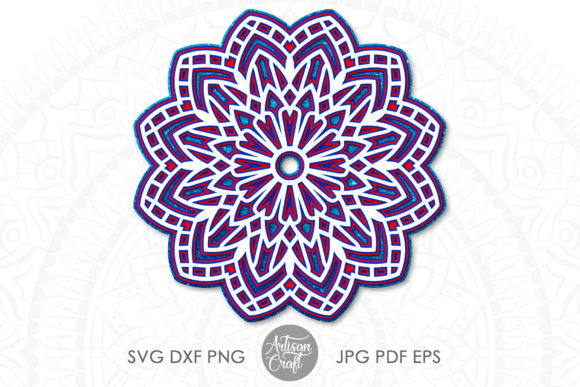
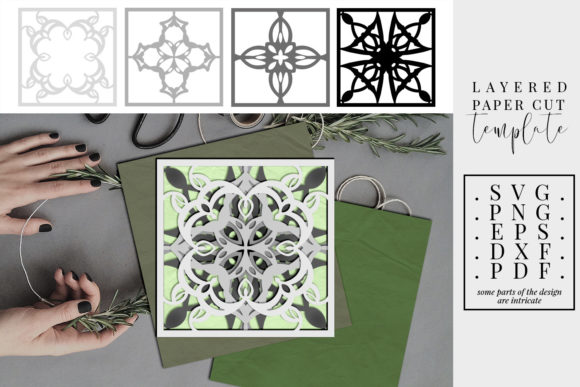
A Layered Paper Cut Mandala is not merely a flat image; it is a structural composition. Typically, these designs consist of four distinct layers that are stacked to create depth. When viewed from the front, the overlapping shapes create a sense of volume and intricate detail. When illuminated from behind or below, these same layers transform into a luminous shadow box effect. This versatility makes the format appealing to a wide range of users, from hobbyists looking for weekend projects to professionals creating event decor or architectural models.
Understanding the Format and Technical Specifications
Before selecting a template, it is crucial to understand the technical specifications of the files provided. High-quality digital assets for paper cutting come in various formats, each serving a specific purpose in the production workflow. The standard package for a 4-layered design usually includes a comprehensive set of file types to ensure compatibility with different tools and skill levels.
The core of the product is often delivered as an SVG (Scalable Vector Graphics) file. SVGs are vector-based, meaning they can be resized infinitely without losing quality. This is particularly important when working with laser cutters or vinyl plotters, which rely on precise mathematical coordinates rather than pixel data. In many packages, you will find two variations of the SVG: one where all four layers are grouped together in gray shades for easy assembly visualization, and another where each layer is separated into solid black lines. The separated version is ideal for cutting machines like Cricut or Silhouette, as it allows the software to distinguish between different layers clearly.
For users who prefer traditional methods or need high-resolution raster images for printing, a PNG (Portable Network Graphics) file is typically included. A 300 DPI PNG on a transparent background ensures that the design prints sharply on any paper stock. Additionally, EPS (Encapsulated PostScript) and DXF (Drawing Exchange Format) files provide further flexibility. DXF files are widely used in CAD software and laser cutting applications, while EPS files are standard in graphic design programs like Adobe Illustrator.
An often-overlooked but critical feature in these packages is the inclusion of mirrored PDF files. When placing paper against glass for etching or certain cutting techniques, the image must be reversed. Providing both standard and mirrored versions saves time and reduces the risk of errors during the preparation phase.
Creative Versatility: Minimalist vs. Colorful Approaches
One of the strongest arguments for using a Layered Paper Cut Mandala template is its adaptability to different aesthetic goals. The design itself acts as a neutral framework upon which you can project your desired mood.
Minimalist Elegance: By using different shades of a single color—for example, varying tones of navy blue or charcoal gray—you can create a sophisticated, monochromatic look. This approach emphasizes texture and shadow over color contrast. It is particularly effective in modern interior decor, where clean lines and subtle depth are preferred. The use of spacer materials, such as foam pads or double-sided tape, becomes more noticeable here, adding a tactile dimension to the visual experience.
Vibrant Complexity: Alternatively, using different hues for each layer can result in a colorful, dynamic end product. This technique works well for party decorations, children’s room art, or festive displays. The contrast between bright colors enhances the separation of layers, making the mandala appear even more intricate. However, this approach requires careful planning to ensure that the colors complement each other and do not clash visually.
Practical Applications and Use Cases
The 18cm x 18cm size of a standard Layered Paper Cut Mandala offers a manageable scale for most crafting tables. While this size is convenient, the vector nature of the files means they can be resized according to specific needs without loss of quality. Whether you are creating small gift tags or large wall installations, the design scales effectively.
- Shadow Lightboxes: As mentioned, these designs excel when used with spacers. By stacking the layers with foam pads and illuminating them from behind with LED strip lights, you can create stunning lightboxes. This application is popular for nightlights, decorative panels, and ambient lighting fixtures.
- Wall Art and Decor: Mounted directly onto a wall with minimal spacing, these mandalas serve as striking focal points. They add depth to plain walls and can be customized to match existing color schemes.
- Event Stationery: Due to their intricate nature, these designs are excellent for wedding invitations, save-the-dates, and ceremony backdrops. The layered effect adds a premium feel to printed materials.
- Hand-Cutting Projects: For those without access to electronic cutting machines, the inclusion of gray outline files in PDF or SVG format makes hand-cutting feasible. These outlines guide the user through the complex curves of the mandala, allowing for a rewarding manual crafting experience.
Evaluating Tradeoffs and Considerations
While Layered Paper Cut Mandalas offer significant creative benefits, there are practical considerations to keep in mind. The primary tradeoff lies in the time investment required for assembly. Unlike a single-sheet print, a 4-layered design requires precise alignment. Each layer must be cut accurately and then stacked in the correct order. Misalignment can disrupt the symmetry of the mandala, diminishing the overall impact.
Another consideration is the material choice. Standard printer paper may not hold up well if the design is intended for long-term display or handling. Heavier cardstock or specialty papers provide better durability and structure. Furthermore, when using spacers for shadow effects, the thickness of the spacers affects the focus and clarity of the design. Thicker spacers increase depth but may cause the edges of the inner layers to become less defined if the lighting is not positioned correctly.
It is also important to evaluate your tooling capabilities. If you are using a laser cutter, ensure that the DXF or SVG files are optimized for your machine’s settings. Laser cutting can burn edges, so testing on scrap material is recommended. For die-cutting or hand-cutting, the complexity of the mandala’s internal details may require fine-tipped scissors or precision knives.
Decision-Making Insights
When deciding whether a Layered Paper Cut Mandala template aligns with your goals, consider the following questions:
- What is your skill level? Beginners may benefit from the hand-cutting friendly outlines, while experienced crafters might prefer the precision of laser-cut DXF files.
- What is the end use? If the goal is a temporary decoration, lighter materials and simpler assembly may suffice. For permanent installations, investing in higher-quality paper and precise spacers is advisable.
- Do you have the necessary tools? Ensure you have access to a cutting machine, printer, or the patience for hand-cutting. Without the right tools, the potential of the layered design may not be fully realized.
In conclusion, the Layered Paper Cut Mandala represents a versatile intersection of art and technology. By offering multiple file formats and adaptable design options, it caters to a broad spectrum of creators. Whether you are aiming for a minimalist aesthetic or a vibrant display, understanding the technical aspects and practical applications of these templates will help you achieve satisfying results. Evaluate your resources and objectives carefully, and you will find that this medium offers a rich canvas for creative expression.