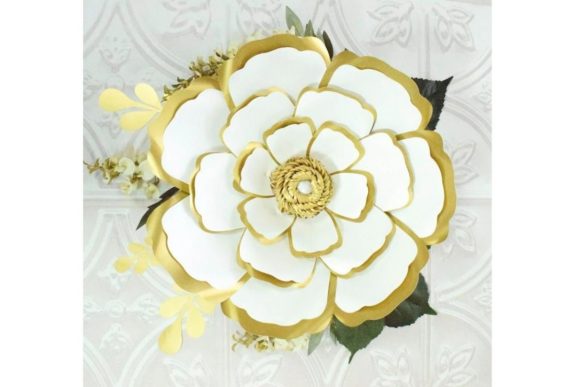
Cora Peony Giant Paper Flower Templates: A Strategic Guide to Mastering the Framed Petal Technique
In the realm of large-scale paper craft and decorative design, precision is often the dividing line between a amateur project and a professional-grade installation. The Cora Peony Giant Paper Flower Templates represent more than just a set of digital files; they are a structured system designed to solve the inherent complexities of creating oversized floral structures. For creators, event planners, and small business owners looking to elevate their visual offerings, understanding the mechanics behind this specific template set—particularly the unique "Framed Petal Technique"—is essential for achieving consistent, high-impact results.
This guide explores the strategic value of these templates, breaking down the construction logic, material requirements, and operational considerations necessary to build a 16-to-17-inch peony with structural integrity and aesthetic depth. By moving beyond simple replication and focusing on the underlying principles of assembly, you can ensure that your final product not only looks stunning but stands up to the demands of display or sale.
The Architecture of the Framed Petal Technique
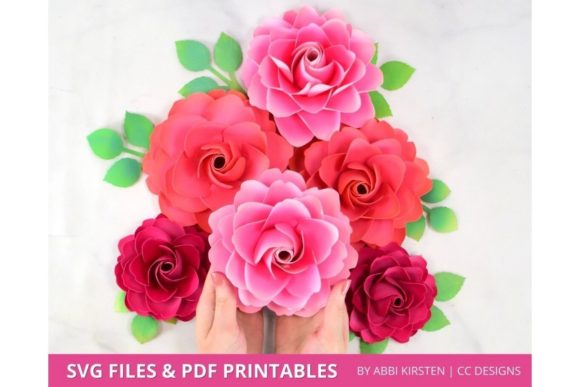
At the core of the Cora Peony design is a specialized construction method known as the Framed Petal Technique. Unlike standard paper flower tutorials that rely on single-layer petals glued directly to a center, this approach utilizes a layering strategy that mimics the natural complexity of real peonies. The fundamental unit of this flower is not a single petal, but a composite structure formed by gluing two individual petals together.
This technique serves multiple strategic purposes:
- Structural Rigidity: By bonding two layers, the resulting petal gains thickness and resistance to warping, which is critical when scaling up to giant sizes.
- Visual Depth: The slight offset created by the second layer adds shadow and dimension, preventing the flower from looking flat or artificial.
- Consistency: Using paired templates ensures uniformity across all petals, reducing the cognitive load on the creator during assembly.
When you acquire the Cora Peony Giant Paper Flower Templates, you receive a comprehensive suite of shapes designed specifically for this pairing logic. The set includes six distinct petal sizes, organized into three pairs: two extra-large (XL) petals, two large petals, and two medium petals. Understanding this hierarchy is the first step in successful planning. The XL petals form the outer frame, the large petals create the mid-body volume, and the medium petals build the dense inner core.
Strategic Planning and Material Selection
Before cutting a single piece of paper, a strategic approach requires careful consideration of materials. The scale of the Cora Peony—reaching approximately 16 to 17 inches in diameter when assembled according to the video tutorial—demands substrates that offer both strength and flexibility. Standard printer paper will likely fail under its own weight or lose its shape over time. Instead, consider using cardstock, crepe paper, or specialty crafting papers that hold a curl well.
A practical supply list should include:
- High-Quality Paper: Choose based on the desired finish. Matte finishes reduce glare in photos, while textured papers add tactile interest.
- Strong Adhesive: A hot glue gun with high-tack glue sticks is recommended for speed and bond strength, though liquid craft adhesives may be used for finer control if time permits.
- Shaping Tools: Curling tools, such as wooden skewers or specialized pen tools, are necessary to give the layered petals their organic curve.
- Support Structure: Depending on whether the flower is for wall mounting or hanging, you will need appropriate hardware, such as fishing line, wire, or a sturdy backing board.
For entrepreneurs and freelancers, investing in the right materials upfront reduces waste and rework. The Cora Peony Giant Paper Flower Templates are optimized for efficiency, but the quality of the output is directly proportional to the quality of the input materials. Additionally, downloading the included FAQs PDF provides immediate troubleshooting guidance, allowing you to anticipate common pitfalls before they occur.
Execution: From Template to Finished Product
The assembly process for the Cora Peony is methodical. While the accompanying video tutorial on the creator’s YouTube channel provides visual step-by-step instructions, understanding the logical flow helps in managing workflow and productivity.
Step 1: Preparation and Cutting
Print the templates at the correct scale. Ensure your printing settings are set to "Actual Size" or "100%" to avoid distortion. Cut out all twelve petal pieces (two each of XL, Large, and Medium) plus the large leaf template. Precision here saves hours of adjustment later.
Step 2: Creating the Layered Units
Apply the Framed Petal Technique immediately. Take one XL petal and pair it with its corresponding partner. Glue them together along the edges, leaving a small gap or overlapping slightly depending on the desired fullness. Repeat this for the Large and Medium sets. This pre-assembly stage allows you to batch-process tasks, a key principle in efficient production.
Step 3: Shaping and Curling
Once the pairs are bonded, use your shaping tool to curl the edges of each petal pair. The direction of the curl matters; outward curls create an open, blooming look, while inward curls suggest a bud. Consistency in curl direction within each layer group enhances the overall harmony of the flower.
Step 4: Assembly and Layering
Begin with the innermost medium petals, clustering them tightly to form the heart of the peony. Move outward to the large petals, then the XL petals. Each new layer should overlap the previous one slightly to hide the glue points and create a seamless transition. The large leaf template is typically attached at the base or interspersed among the lower petals to provide contrast and grounding.
Risk Management and Common Pitfalls
Even with superior templates, projects can fail due to overlooked variables. One significant risk is ignoring the weight distribution of the finished piece. A 17-inch paper flower made from heavy cardstock can become cumbersome. Without proper support, it may sag or detach from its mounting surface.
To mitigate this, consult the hanging tips provided in the resource package. These guidelines often recommend distributing weight evenly or using internal armatures for very large installations. Another common error is rushing the drying process. If glue is applied too quickly between layers without allowing bonds to set, the structural integrity of the framed petals can weaken, leading to drooping.
Furthermore, relying solely on the visual appeal without considering the end-use context is a strategic oversight. Is this flower for a temporary wedding backdrop or a long-term retail display? The former might allow for lighter materials and quicker assembly, while the latter demands archival-quality adhesives and UV-resistant papers to prevent fading. Aligning your material choices with the lifespan of the product is a critical decision-making point.
Optimizing for Long-Term Value
For educators, bloggers, and content creators, the Cora Peony Giant Paper Flower Templates offer more than just a craft project; they provide a framework for teaching complex skills. The structured nature of the six-size template system makes it an excellent case study for lessons on geometry, symmetry, and iterative design. By documenting your process and sharing insights on the Framed Petal Technique, you can establish authority in the niche of paper art and DIY education.
Similarly, small business owners can leverage this design to create premium products. The perceived value of a giant, intricately layered peony is significantly higher than that of a standard paper flower. By mastering the technique and ensuring consistency through the use of precise templates, you can streamline production, reduce errors, and scale your inventory. The inclusion of the FAQs PDF further supports customer service efforts, addressing potential buyer questions about care, assembly, or customization before they even arise.
In conclusion, the Cora Peony Giant Paper Flower Templates are a powerful tool for anyone serious about large-scale paper crafting. Their success lies not just in the cut lines, but in the strategic application of the Framed Petal Technique, thoughtful material selection, and disciplined execution. By approaching this project with a focus on planning and precision, you transform a simple hobby into a refined practice capable of delivering exceptional, lasting results.