Octopus: A Versatile Digital Asset for Creative Projects
In the rapidly evolving landscape of digital design, having access to high-quality, versatile assets is crucial for both professional designers and hobbyist creators. Among the myriad of options available, the octopus stands out not just as a fascinating marine creature, but as a powerful symbol in graphic design. Specifically, when we look at an octopus illustration that comes with a comprehensive compressed file containing formats like .SVG, .PDF, .PNG, and .EPS, we are looking at a tool that bridges the gap between artistic expression and practical application.
This article explores the value of such vector-based octopus designs, how they can be utilized across various mediums, and why understanding their technical specifications is key to maximizing their potential. Whether you are creating unique cards, composing wallpapers for social media, or designing invitations, this guide will help you navigate the benefits and considerations of using these digital papers.
The Power of Vector Graphics in Modern Design
To truly appreciate the utility of an octopus illustration provided in multiple formats, one must first understand the significance of vector graphics. Unlike raster images (such as standard JPEGs) which are made up of pixels and lose quality when scaled, vector graphics use mathematical equations to define shapes, lines, and colors. This means that an octopus SVG file can be resized from the size of a postage stamp to the width of a billboard without any loss of clarity or detail.
The inclusion of multiple file formats—specifically .SVG, .PDF, .PNG, and .EPS—offers unparalleled flexibility:
- .SVG (Scalable Vector Graphics): Ideal for web design because it is lightweight, scalable, and editable via code. It ensures your octopus illustration looks crisp on any screen resolution.
- .PDF (Portable Document Format): Perfect for printing high-resolution materials. PDFs preserve vector data, making them excellent for sending files to professional printers for large-scale outputs like banners or posters.
- .PNG (Portable Network Graphics): A raster format that supports transparency. This is essential if you need to overlay the octopus illustration onto different backgrounds in photo editing software like Photoshop or Canva.
- .EPS (Encapsulated PostScript): A legacy vector format widely supported by professional desktop publishing applications like Adobe Illustrator and InDesign. It is often used for complex illustrations that require precise editing of individual elements.
Creative Applications for Octopus Illustrations
The versatility of a well-designed octopus illustration extends far beyond simple decoration. Its organic, flowing tentacles and intricate details make it a favorite among artists and designers looking to add depth and character to their work. Here are some practical scenarios where this asset shines.
Custom Greeting Cards and Stationery
One of the most popular uses for digital paper sets featuring octopus themes is the creation of unique greeting cards. The intricate patterns often associated with sea life allow for beautiful cardstock designs. By using the .EPS or .PDF versions, you can scale the octopus to fit perfectly within a card layout, adding text around the curves of its tentacles. For business owners offering personalized stationery, these assets provide a ready-made foundation that saves time while ensuring a professional finish.
Social Media Wallpapers and Banners
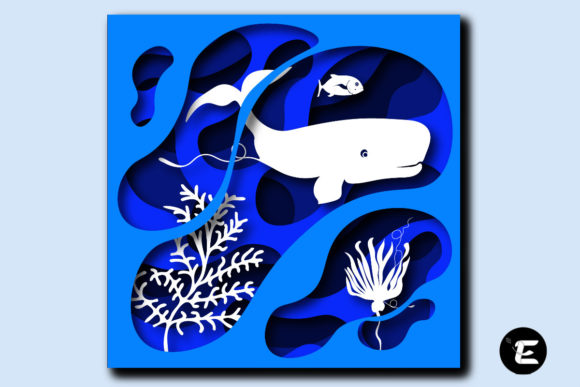
In the digital age, visual appeal is paramount. An octopus illustration serves as an engaging background for social media profiles, particularly for platforms like Instagram, Pinterest, or LinkedIn. The blue fish and sea-themed color palettes evoke a sense of calm and professionalism. Using the .SVG format allows designers to embed these images directly into websites, ensuring fast load times without sacrificing visual quality. Furthermore, the transparent background option in the .PNG file allows for seamless integration into existing brand color schemes.
Invitations and Event Materials
From birthday parties to corporate retreats, invitations set the tone for an event. An octopus theme can work beautifully for nautical-themed parties, ocean conservation events, or even creative workshops. The detailed nature of the vector art allows for subtle textures and patterns that elevate the perceived value of the invitation. Designers can manipulate the opacity and layering of the tentacles to create dynamic compositions that draw the eye to the event details.
Evaluating Suitability for Your Project
While the benefits of using a multi-format octopus illustration are clear, it is important to evaluate whether this specific asset aligns with your project’s needs. Not all designs are created equal, and understanding the characteristics of the illustration is vital.
Style and Aesthetic Consistency
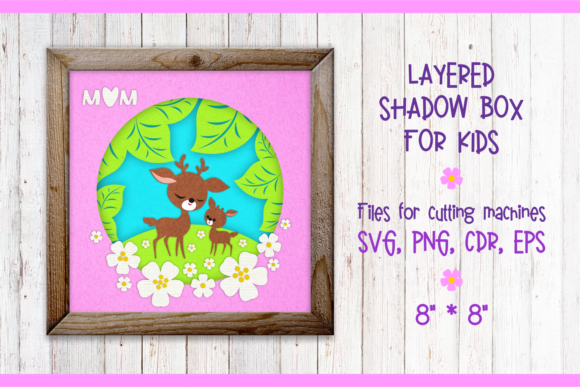
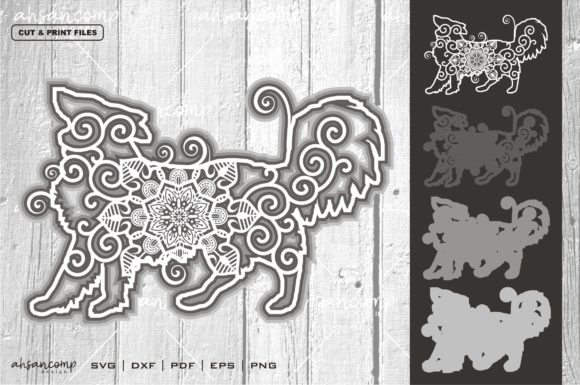
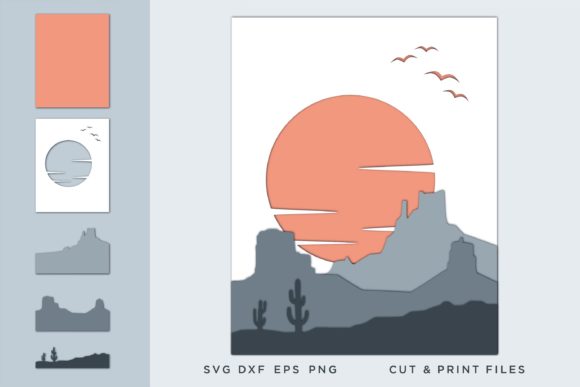
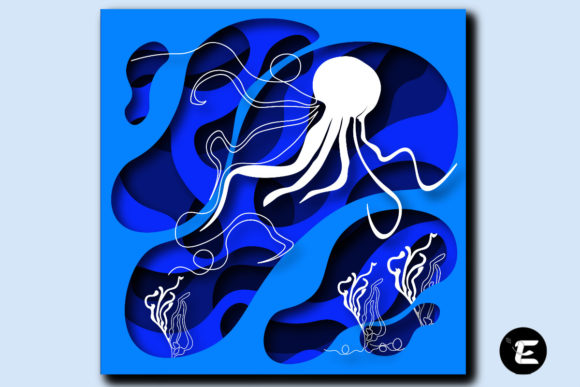
Before purchasing or downloading an octopus illustration, consider the style. Is it realistic, cartoonish, minimalist, or abstract? The description mentions "paper cut animal" aesthetics, which suggests a layered, textured look. This style works exceptionally well for crafts and print-on-demand products but might clash with a sleek, modern tech website. Ensure the artistic direction matches your brand identity or personal taste.
Technical Requirements
Do you have the necessary software to handle vector files? If you are using basic tools like Microsoft Word or simple online editors, you may only be able to utilize the .PNG version. However, if you have access to Adobe Creative Cloud or Affinity Designer, you can unlock the full potential of the .SVG and .EPS files. Consider your technical proficiency and the tools at your disposal before committing to a purchase.
Resolution and Print Quality
If your end goal is physical production, such as printing t-shirts or large banners, ensure the provided files meet industry standards for print resolution. While vectors are inherently scalable, some pre-rasterized elements within the design might have limitations. Always check the metadata or documentation included in the compressed file to verify print readiness.
Considerations and Limitations
No digital asset is without its drawbacks. When working with complex vector illustrations like an octopus with many layers, there are a few things to keep in mind.
File Size and Performance: Highly detailed vector files can sometimes be large in terms of data size, which might slow down rendering in certain browsers or older computers. Testing the performance of the .SVG file on your target platform is recommended.
Licensing and Usage Rights: Always review the license agreement associated with the digital paper. Some assets are intended for personal use only, while others allow for commercial projects. Misunderstanding these terms can lead to legal issues, especially for business owners and professionals.
Editing Complexity: Vector files with numerous anchor points and layers can be difficult to edit for beginners. Simplifying paths or adjusting colors might require a learning curve. If you are not comfortable navigating vector editing software, consider hiring a designer to customize the asset for you.
Conclusion
The octopus illustration presented in this context represents more than just a cute sea creature; it is a multifaceted design tool capable of enhancing a wide range of creative projects. From crafting unique cards to designing immersive social media backgrounds, the combination of .SVG, .PDF, .PNG, and .EPS formats offers unmatched versatility.
By understanding the technical advantages of vector graphics and carefully evaluating the aesthetic and practical aspects of the asset, creators and business owners can leverage this resource to produce high-quality, visually compelling content. Whether you are a seasoned graphic designer or a DIY enthusiast, incorporating a well-crafted octopus illustration into your workflow can add a touch of elegance and creativity that resonates with audiences. Thank you for exploring the possibilities of digital art, and may your creative endeavors be as fluid and dynamic as the sea itself.