Dog Mandala Vector 4 SVG Multilayer
When you are looking to add a touch of spiritual symmetry and canine charm to your projects, the Dog Mandala Vector 4 SVG Multilayer offers a compelling solution. It is not just a simple picture; it is a complex, layered digital asset designed for versatility. Whether you are a seasoned graphic designer or a hobbyist just starting with cutting machines like Cricut or Silhouette, understanding how to properly evaluate and use this type of file can save you significant time and frustration.
This design combines the intricate geometry of mandalas with the recognizable silhouette of a dog, creating a piece that is both meditative and personal. However, before you download and start cutting or printing, there are critical details regarding file formats, layer management, and usage rights that many creators overlook. Getting these basics right ensures your final product looks professional rather than amateurish.
Understanding the Digital Nature of the Product
The most important thing to grasp immediately is that this is a DIGITAL DOWNLOAD. No physical items will be sent to you. This distinction matters because it affects your expectations regarding shipping times, packaging, and immediate access. Once the transaction is complete, you receive a ZIP file containing all the necessary assets.
If you are accustomed to buying physical prints or pre-made crafts, the transition to digital assets requires a slight shift in mindset. You are purchasing the license and the files, not a tangible object. Any backgrounds, logos, mock-ups, photos, framed images, or cut images shown in the listing are for illustration purposes only. They serve to demonstrate how the vector art might look when applied to a t-shirt, a mug, or a wall decal, but they are not included in your purchase. Relying on these mock-ups as part of the actual deliverable is a common misunderstanding that leads to dissatisfaction.
The Importance of File Extraction
Your files will arrive in a ZIP format. This is standard practice for bundling multiple high-quality graphics into a single download link. However, you cannot open or edit these files directly while they are still compressed inside the ZIP archive. You must extract them first.
Many beginners attempt to drag the ZIP file directly into their design software, only to encounter errors or corrupted previews. To avoid this:
- Locate the downloaded ZIP file on your computer.
- Right-click the file and select "Extract All" (on Windows) or double-click to open and copy contents (on Mac).
- Move the extracted folder to a dedicated project directory where you can easily find it later.
Skipping this step can lead to broken links in your design software and wasted hours troubleshooting. Always ensure your files are uncompressed before attempting to import them into Illustrator, Inkscape, or your cutting machine software.
Navigating the Multilayer Advantage
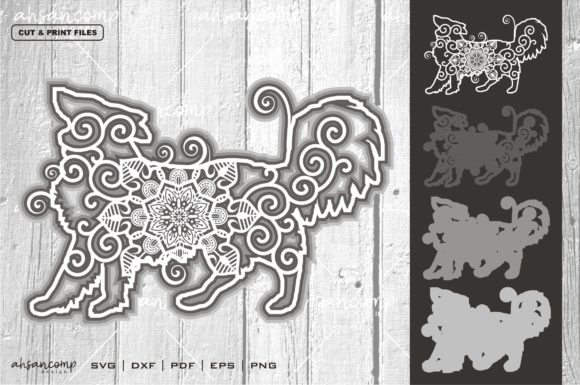
The specific designation of this file as "Multilayer" is its greatest strength. Unlike a flat raster image, which is made of pixels and becomes blurry when enlarged, this vector design consists of distinct paths and shapes. The multilayer aspect means that the different elements of the mandala—the outer rings, the inner geometric patterns, and the central dog figure—are separated.
This separation allows for immense creative flexibility. You can:
- Color Code Layers: Assign different colors to different layers to create depth or highlight specific parts of the dog’s anatomy within the mandala structure.
- Isolate Elements: Delete layers you do not need. If you want a simpler version without the intricate background rings, you can hide or delete those specific layers.
- Create Complex Cuts: For vinyl cutting or laser engraving, having separate layers allows you to cut different materials or use different blade settings for fine details versus large blocks.
However, working with multilayer files requires attention to detail. If you merge layers prematurely in your editing software, you lose this flexibility. Always keep a backup of the original unmerged file.
Evaluating Included Formats for Your Needs
This digital download includes a comprehensive suite of file types: EPS, PNG, PDF, SVG, and DXF. Each serves a specific purpose, and choosing the wrong one for your intended application is a frequent source of quality loss.
Vector Files: SVG, EPS, and DXF
If you plan to use a cutting machine (Cricut, Silhouette, Brother ScanNCut) or professional vector software (Adobe Illustrator, CorelDRAW), you should prioritize the SVG, EPS, or DXF files.
- SVG: The standard for web-based design tools and many modern cutting machines. It preserves layer information well.
- EPS: A robust industry standard for print and professional vector editing. It is highly compatible across various platforms.
- DXF: Often preferred by laser engravers and CNC routers. Ensure your machine supports the version of DXF provided.
Avoid using raster formats like PNG for cutting. While PNGs are useful for quick previews or low-resolution printing, they lack the precise coordinate data needed for clean cuts. Using a PNG in a cutting machine often results in jagged edges or failed cuts due to pixelation.
Raster Files: PNG
The included PNG files are valuable for users who do not have vector editing capabilities. They are perfect for:
- Quick social media graphics.
- Printing designs onto fabric using home printers (if the resolution is sufficient for your print size).
- Using in non-vector compatible software like Microsoft Word or Canva (though scaling may result in quality loss if enlarged too much).
Common Pitfalls and How to Avoid Them
Even with high-quality assets, user error can ruin a project. Here are practical warnings to help you succeed.
Ignoring Scale and Resolution
While vectors scale infinitely, your output medium does not. If you are printing this mandala on a large banner, ensure your printer supports high-resolution vector output. If you are cutting vinyl for a small laptop lid, make sure the smallest details in the mandala are not so fine that the vinyl tears during weeding. Test a small section of the design before committing to a full production run.
Assuming Automatic Compatibility
Not all design software handles multilayer SVGs identically. Some older versions of cutting software may flatten layers upon import. Always check your preview pane after importing the file to ensure all layers are visible and selectable. If layers are missing, try importing the EPS or DXF version instead, as these formats sometimes preserve structure better in legacy software.
Overlooking Licensing Terms
Although this is a digital download, always review the specific terms of use associated with the purchase. Most digital assets allow for personal use and limited commercial use (e.g., selling up to a certain number of physical items). However, redistributing the digital file itself is almost always prohibited. Do not share the ZIP file with friends or upload it to free stock sites. Respect the creator’s intellectual property to support the continued creation of quality designs like the Dog Mandala Vector 4.
Final Thoughts on Integration
The Dog Mandala Vector 4 SVG Multilayer is more than just a clipart image; it is a modular toolkit for creativity. By understanding the difference between vector and raster formats, respecting the multilayer structure, and ensuring proper file extraction, you set yourself up for success. Whether you are crafting personalized gifts for dog lovers, designing branding materials for a pet business, or simply exploring your artistic side, taking the time to prepare your files correctly will yield superior results.
If you encounter any issues opening the files or have questions about how to manipulate specific layers, do not hesitate to reach out. Creators appreciate feedback and are usually happy to assist with technical hurdles. Taking the time to understand these nuances transforms a simple download into a powerful component of your creative workflow.