A2 Pop-Up Scary Halloween Card: A Practical Evaluation for DIY Crafters
Creating personalized greeting cards has long been a staple of the crafting community, offering a tangible way to connect with friends and family during holidays. Among the various techniques available, pop-up card making stands out for its ability to transform a flat piece of paper into an interactive three-dimensional experience. For those looking to create a spooky yet charming seasonal keepsake, the A2 Pop-Up Scary Halloween Card presents a specific solution that combines technical precision with thematic design. This article evaluates the components, compatibility, and practical applications of this digital file set, helping crafters determine if it aligns with their skill level and project goals.
Understanding the Product Specifications
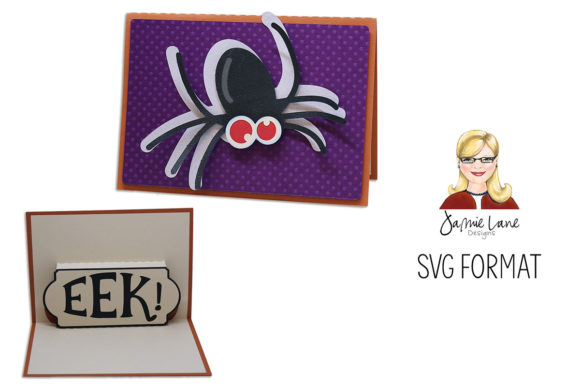
The term "A2" refers to a standard card size in the papercrafting industry, typically measuring 4.25 x 5.5 inches when folded. The A2 Pop-Up Scary Halloween Card adheres to these dimensions, resulting in a finished product that is approximately 4-1/4 x 5-1/2 inches. This size is widely recognized for its balance between portability and display area; it is small enough to fit comfortably in standard envelopes but large enough to showcase intricate details.
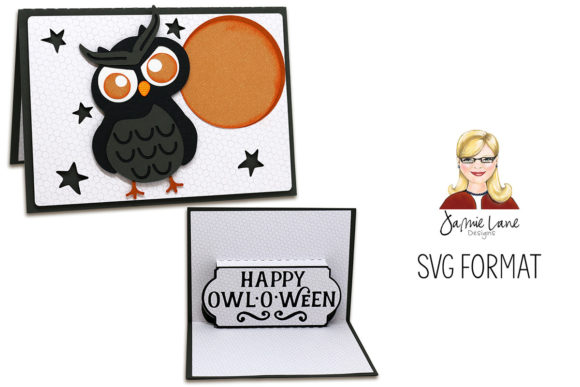
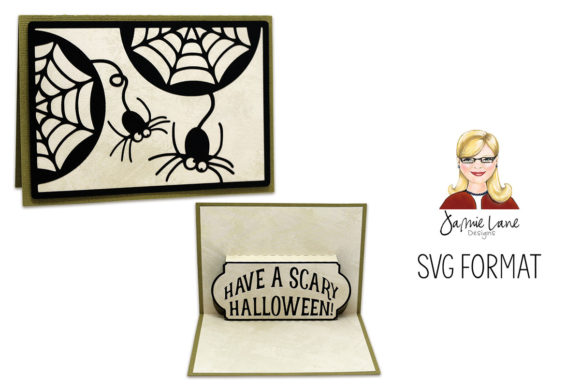
The core feature of this product is its internal mechanism. Unlike flat printed cards, this design incorporates a pop-up element on the inside. When the card is opened, a constructed figure or scene rises from the base, creating a moment of surprise and delight. The digital files provided are comprehensive, including:
- The Card Base: The foundational layer that folds and supports the structure.
- Paper Elements: Decorative cutouts that form the visual theme of the Halloween design.
- The Inside Pop-Up Mat: The structural component that creates the vertical movement.
- Mats for the Pop-Up: Additional layers used to frame or support the pop-up element, ensuring stability and aesthetic appeal.
By providing all necessary components digitally, the package allows users to customize colors, textures, and materials according to their personal preference, rather than being limited to pre-printed stock.
Compatibility and Technical Flexibility
One of the most significant advantages of this digital asset is its adaptability to different cutting machine mats. The files are explicitly designed to be compatible with both 8x12 inch and 12x12 inch cutting mats. This dual compatibility is crucial for modern crafters who may own machines from different manufacturers or prefer specific mat sizes for organizational reasons.
For users with 12x12 inch mats, the layout likely utilizes the larger surface area to allow for efficient nesting of pieces, potentially reducing waste. Conversely, those working with 8x12 inch mats can still execute the design without needing to resize or alter the vector files manually. This flexibility reduces the barrier to entry for beginners who might be intimidated by complex file adjustments, while also satisfying advanced users who value workflow efficiency.
Evaluating Benefits and Tradeoffs
When considering the A2 Pop-Up Scary Halloween Card, it is important to weigh the benefits against potential challenges. Understanding these factors helps set realistic expectations for the final outcome.
Benefits
- Personalization: Because you control the paper choice, you can select heavy cardstock for durability or textured specialty papers for added visual interest. This ensures the card feels unique and high-quality.
- Cost-Effectiveness: Compared to purchasing handmade pop-up cards from retail stores, which can range from $10 to $20 each, creating your own using digital files significantly lowers the per-unit cost, especially when producing multiple cards for a classroom or group of friends.
- Skill Development: Constructing a pop-up mechanism provides hands-on practice with folding techniques, alignment, and structural integrity. These skills are transferable to other papercraft projects.
Tradeoffs and Considerations
While the benefits are clear, there are tradeoffs inherent to any DIY project. The primary consideration is time. Assembling a pop-up card requires more steps than printing a single image on cardstock. Users must cut, score, fold, and adhere multiple layers. Precision is key; if the pop-up mat is not aligned correctly, the mechanism may jam or fail to rise properly.
Additionally, the complexity of the pop-up design may present a learning curve for absolute beginners. While the included tutorial (available via the creator’s blog) aids in understanding the assembly process, troubleshooting misalignments can be frustrating for those new to structural papercrafting. It is advisable to practice the fold lines on scrap paper before committing to decorative cardstock.
Ideal Use Cases and Target Audience
This product is best suited for individuals who enjoy the tactile process of crafting and wish to add a dynamic element to their holiday greetings. It is particularly strong for:
- Halloween Enthusiasts: Those who appreciate seasonal decor and want to extend the theme beyond home decorations to their social interactions.
- Scrapbookers and Papercrafters: Hobbyists who already own electronic cutting machines (such as Cricut or Silhouette) and have a supply of cardstock and adhesives.
- Teachers and Group Leaders: Individuals who need to produce a moderate number of cards for students or club members, where the initial setup time is offset by the speed of subsequent productions.
The "scary" theme suggests a target audience that enjoys mild horror aesthetics—think pumpkins, ghosts, and bats—rather than extreme gore. This makes the card appropriate for school exchanges, office parties, or neighborhood gifting, where the tone should be festive rather than frightening.
When to Consider Alternatives
Despite its versatility, the A2 Pop-Up Scary Halloween Card may not be the optimal choice for every scenario. If you are pressed for time and need to produce dozens of cards in a short window, a simpler flat-fold design or a stamped card might be more efficient. Similarly, if you do not own a cutting machine or lack access to one, sourcing physical dies or stencils separately could negate the convenience of having digital files.
Furthermore, if your goal is purely minimalist design, the layered nature of a pop-up card might feel too busy. In such cases, exploring clean-line stamping or watercolor techniques might better suit your aesthetic preferences. It is also worth noting that pop-up mechanisms can sometimes be fragile during mailing. If the cards will be shipped through postal services rather than hand-delivered, extra reinforcement or sturdy packaging is required to prevent damage to the pop-up element.
Final Thoughts on Decision Making
Selecting the right crafting resource depends on aligning the tool with your specific needs. The A2 Pop-Up Scary Halloween Card offers a robust framework for creating an engaging, three-dimensional greeting. Its compatibility with standard mat sizes and inclusion of all necessary design elements make it a practical choice for intermediate crafters.
Before purchasing or downloading, evaluate your current inventory of materials and your comfort level with structural folding. If you have the tools and patience for precision, this card design promises a rewarding result that goes beyond the ordinary. However, if simplicity and speed are your primary drivers, you may find greater satisfaction in less complex alternatives. By carefully assessing these factors, you can ensure that your investment of time and resources yields a Halloween card that is both beautiful and functional.