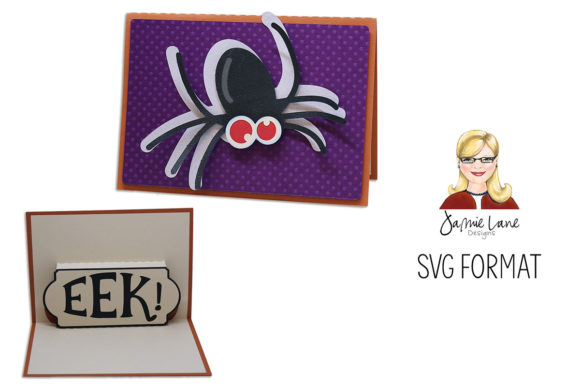
A2 Pop-Up Spider Card
In an era where digital communication often overshadows tangible interaction, the resurgence of handmade stationery offers a compelling counter-narrative. It is not merely about nostalgia; it is about intentionality. The A2 Pop-Up Spider Card represents a sophisticated intersection of engineering and artistry, designed to transform a simple greeting into a memorable experience. For creators, hobbyists, and small business owners, understanding the mechanics and appeal of this specific card format provides a unique opportunity to deliver value that feels personal, precise, and profoundly engaging.
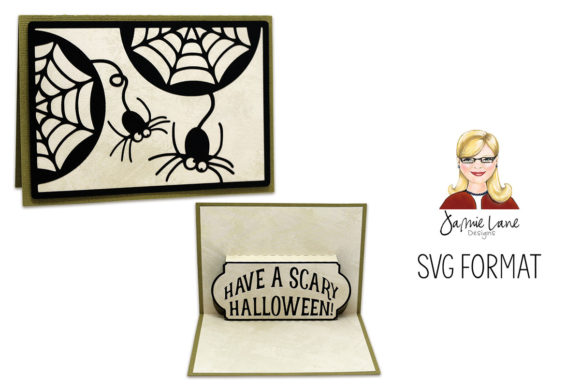
This card is approximately 4-1/4 x 5-1/2 when finished and features a pop-up design on the inside. While these dimensions may seem modest, they are strategically chosen to fit standard envelopes while providing ample space for intricate internal mechanisms. The "spider" mechanism refers to the central folding structure that allows multiple paper elements to rise simultaneously or in sequence when the card is opened. This creates a dynamic visual focal point that immediately captures attention, distinguishing it from flat cards or simpler single-pop-up designs.
The Mechanics of Engagement
Why does a pop-up mechanism matter? The answer lies in human psychology and the tactile nature of physical objects. When someone receives a letter or a card, their expectations are typically set for a two-dimensional surface. Introducing a three-dimensional element disrupts this expectation in a positive way. It forces the recipient to slow down, to interact with the object physically, and to engage with the sender’s effort. The A2 Pop-Up Spider Card leverages this by using a complex arrangement of cuts and folds that require precision but yield a high-impact result.
The design relies on a series of strategic score lines and cutouts that allow the inner layers to expand outward. Unlike basic pop-up cards that might feature a single shape rising from the center, the spider design often incorporates radiating elements or layered components that create depth. This complexity is what makes the card feel luxurious and thoughtful. It signals to the recipient that significant care was taken in its creation, whether by hand or through careful assembly of pre-designed templates.
Technical Specifications and Workflow Efficiency
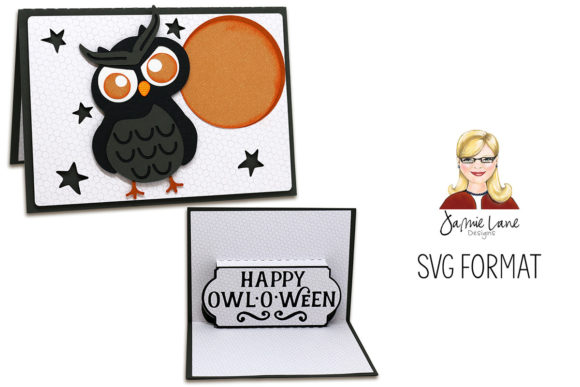
For those looking to produce these cards efficiently, particularly those managing creative businesses or educational workshops, the technical specifications of the digital files provided are crucial. The files come with the card base, the paper elements shown, the inside pop-up mat, and mats for the pop-up. This comprehensive kit simplifies the production process significantly. Instead of drafting every fold line from scratch, users can rely on pre-calculated vectors that ensure accuracy and consistency across multiple units.
One of the most practical advantages of this particular template set is its compatibility. All of the files are compatible with both the 8x12 and 12x12 mats. This flexibility is invaluable for crafters who may have different cutting machines or planning systems in place. Whether you are using a Cricut, Silhouette, or another electronic cutter, the ability to scale or adjust the layout within these standard mat sizes reduces setup time and minimizes material waste. It allows for seamless integration into existing workflows, whether you are producing a single custom gift or a batch of fifty invitations.
The inclusion of separate mats for the pop-up elements ensures that the final assembly is clean and professional. These mats act as guides for positioning the decorative paper elements, ensuring that they adhere correctly to the moving parts of the mechanism. This attention to detail in the file structure translates directly to the quality of the finished product, reducing the likelihood of misalignment or structural failure in the pop-up action.
Trends in Personalized Communication
The market for handmade and personalized stationery has evolved beyond simple aesthetics. Modern consumers, particularly those in the 20–50 age demographic, are increasingly seeking experiences over mere objects. They value craftsmanship, uniqueness, and the story behind the item. The A2 Pop-Up Spider Card fits squarely into this trend. It is not just a card; it is a piece of wearable art or a collectible keepsake. In a world dominated by instant messaging and email, a card that requires mechanical interaction stands out as a rare artifact of deliberate communication.
Furthermore, the trend toward sustainability and reduced digital clutter plays a role here. People are looking for ways to connect meaningfully without contributing to screen fatigue. A beautifully crafted card serves as a lasting reminder of a relationship or event, unlike a digital notification that disappears into the void. The durability of paper, combined with the clever engineering of the pop-up design, ensures that the card remains relevant long after the initial opening. It becomes an object of display rather than disposal.
Practical Applications for Creators and Professionals
For freelancers, marketers, and entrepreneurs, incorporating such distinctive stationery into their brand strategy can be a powerful tool. Consider a graphic designer sending a portfolio follow-up, a photographer delivering final prints, or a consultant closing a deal. Including an A2 Pop-Up Spider Card with a personalized note adds a layer of sophistication and memorability. It demonstrates attention to detail and an appreciation for the client’s experience. In competitive markets, these small touches can differentiate a service provider from others who rely solely on digital correspondence.
Educators and workshop leaders also find value in these templates. Teaching the construction of a pop-up card is an excellent exercise in geometry, spatial reasoning, and fine motor skills. The A2 size is manageable for students, and the spider mechanism provides a clear demonstration of how leverage and folding work together. By providing students with the structured files, instructors can focus on the creative aspects—such as color selection, texture choice, and decoration—while ensuring the structural integrity of the project. This balance between technical guidance and creative freedom makes the activity accessible yet challenging enough to be rewarding.
Accessibility and Learning Curve
A common concern with pop-up cards is the perceived difficulty of construction. However, the availability of detailed resources mitigates this barrier. You can find additional images and a full tutorial on my blog, which serves as a critical support system for beginners. These tutorials break down the assembly process into manageable steps, explaining the purpose of each fold and cut. This educational component empowers users who might otherwise feel intimidated by the complexity of the design. It transforms a potentially daunting task into a learnable skill, encouraging experimentation and confidence.
The tutorial likely addresses common pitfalls, such as scoring too deeply or misaligning the adhesive points. By anticipating these issues, the resource ensures that even novice crafters can achieve professional-looking results. This accessibility broadens the audience for the A2 Pop-Up Spider Card, making it suitable for a wide range of skill levels. It invites curiosity-driven readers to try their hand at paper engineering, fostering a deeper appreciation for the craft.
Material Choices and Aesthetic Versatility
While the mechanism is fixed, the aesthetic possibilities are virtually limitless. The paper elements shown in the template serve as a guide, but users are encouraged to experiment with different textures, weights, and colors. Heavier cardstock may provide better stability for the pop-up action, while thinner papers might allow for more delicate details. The contrast between the base card and the pop-up elements can be used to create visual hierarchy, drawing the eye to specific parts of the design.
Seasonal themes, corporate branding, or personal motifs can all be integrated into the design. For instance, a Halloween-themed version might use orange and black papers with spooky silhouettes, while a wedding invitation could feature elegant lace patterns and soft pastels. The versatility of the A2 Pop-Up Spider Card allows it to adapt to any occasion, making it a versatile tool in the creator’s arsenal. The key is to maintain the structural integrity of the pop-up while allowing artistic expression to flourish.
Conclusion
The A2 Pop-Up Spider Card is more than a craft project; it is a testament to the enduring power of physical media in a digital age. Its combination of precise engineering, user-friendly digital files, and emotional impact makes it a valuable asset for anyone looking to enhance their communication strategies. Whether you are a seasoned paper crafter or a curious beginner, the opportunity to create something that surprises and delights is inherent in this design. By leveraging the available resources and understanding the underlying principles of pop-up mechanics, you can produce cards that resonate deeply with recipients. In doing so, you participate in a broader movement toward meaningful, tangible connections in our daily lives.