Unpacking the Sunflower Multilayer Concept: A Deep Dive into Scalable Vector Design
In the rapidly evolving landscape of digital content creation, the demand for versatile, high-quality visual assets has never been higher. Among the myriad of design elements available to professionals and hobbyists alike, the Sunflower Multilayer concept stands out as a prime example of how traditional botanical motifs can be reimagined for modern workflows. This is not merely about a single image of a flower; it is about a structured, scalable, and adaptable design system that empowers creators to build complex visuals from simple, organized components. When paired with dynamic concepts like Sunflower with fire, these files offer a unique intersection of organic beauty and intense energy, providing a rich canvas for branding, apparel design, and digital media.
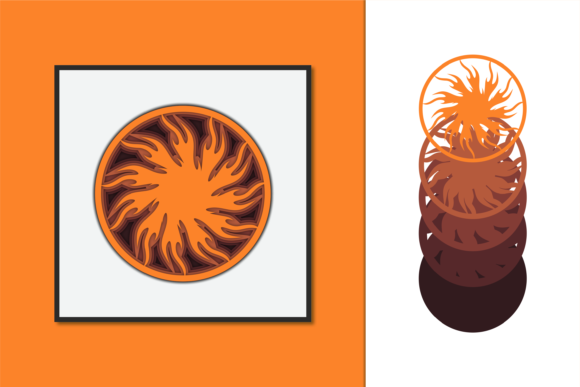
The relevance of the Sunflower Multilayer file format—available in EPS, SVG, and PDF—lies in its structural integrity and flexibility. Unlike raster images that degrade when scaled, vector-based designs maintain crisp edges and clean lines at any size. For designers working on everything from business cards to billboards, this scalability is non-negotiable. The multilayer aspect takes this a step further by allowing users to isolate specific parts of the sunflower, such as the petals, center, or stem, enabling precise customization without the need for tedious manual tracing. This efficiency is crucial in an era where speed and precision are valued equally.
The Evolution of Botanical Motifs in Digital Design
Botanical illustrations have long held a place in art history, but their application in digital design has undergone a significant transformation. Historically, floral designs were static, often used as borders or background textures. Today, they serve as central narrative elements in brand identity and storytelling. The shift towards flat design, minimalist aesthetics, and intricate line art has revived interest in nature-inspired graphics, but with a modern twist. Creators no longer seek photorealism; instead, they look for stylized, geometric, or abstract representations that convey mood and message efficiently.
The Sunflower Multilayer design fits perfectly into this trend. It allows for a deconstruction of the natural form into manageable vector shapes. This approach aligns with the current preference for modular design systems, where individual elements can be mixed, matched, and recolored to suit various contexts. Whether a designer is creating a logo for a sustainable fashion brand or an illustration for an educational blog post, having access to a well-organized vector file means they can adapt the imagery to fit the specific tone of the project. This adaptability is what separates a generic stock image from a professional design asset.
Understanding the Technical Advantages of EPS, SVG, and PDF
The availability of the Sunflower design in multiple formats—EPS, SVG, and PDF—is not just a matter of convenience; it is a strategic advantage for different stages of the creative process. Each format serves a distinct purpose, catering to the needs of various software ecosystems and output requirements.
- SVG (Scalable Vector Graphics): This is the gold standard for web design. SVG files are lightweight, load quickly, and can be manipulated directly via CSS or JavaScript. For web developers and UI/UX designers, an SVG sunflower can be animated, colored dynamically, or resized responsively across different screen sizes. The "Sunflower with fire" concept, for instance, could use SVG to create subtle hover effects where the flames flicker, adding an interactive layer to the user experience.
- EPS (Encapsulated PostScript): Still widely used in print production and professional graphic design software like Adobe Illustrator, EPS files are robust and compatible with a wide range of legacy and modern printing processes. They ensure that colors remain accurate and vectors stay sharp during the transition from screen to paper. For businesses producing physical merchandise, such as t-shirts, mugs, or packaging, the EPS version ensures that the intricate details of the multilayer sunflower are preserved without loss of quality.
- PDF (Portable Document Format): While primarily known for document sharing, PDFs can also contain vector data. This makes them ideal for clients who need to review a design before production or for scenarios where the file needs to be opened on devices without specialized vector editing software. A PDF version of the Sunflower Multilayer allows stakeholders to view the layered structure and make feedback on specific elements without requiring them to install expensive design tools.
Creative Applications: From Branding to Social Media
The practical implications of having a multilayer sunflower design extend far beyond simple decoration. In branding, the sunflower symbolizes adoration, loyalty, and longevity. However, when combined with the fire concept, the symbolism shifts to include passion, transformation, and energy. This duality makes it an incredibly versatile asset for diverse industries.
Consider a wellness startup focusing on transformative therapies. The sunflower represents growth and healing, while the fire element signifies the intensity of the change process. A logo utilizing the multilayer file could allow the founder to separate the flame from the flower, placing the fire behind the bloom to suggest illumination. Alternatively, a fitness brand might use the fiery sunflower to represent strength and vitality, using the bold colors and dynamic lines to evoke movement and power.
In the realm of social media marketing, visual consistency is key. Content creators can use the individual layers of the sunflower to create a series of posts. One post might feature just the vibrant yellow petals against a dark background, while another highlights the textured center with a fiery glow. This variety keeps the audience engaged while maintaining a cohesive visual identity. The ability to easily recolor the layers allows marketers to adapt the imagery to seasonal campaigns or promotional events without commissioning new artwork.
Empowering Hobbyists and Freelancers
While large corporations benefit from these assets, the impact on individual creators and small business owners is equally profound. The freelance economy relies heavily on quick turnaround times and high-quality deliverables. A freelancer designing a wedding invitation suite, for example, can use the Sunflower Multilayer file to customize the design for each couple. By adjusting the opacity of the fire layer or changing the hue of the petals, they can tailor the aesthetic to match the couple’s color palette perfectly.
Similarly, hobbyists involved in crafting, such as those using Cricut or Silhouette cutting machines, benefit greatly from SVG files. These machines read vector paths to cut materials like vinyl, wood, or fabric. A multilayer SVG allows crafters to cut different parts of the sunflower separately, enabling them to create 3D effects or layered decals. The precision of the vector cuts ensures that even the smallest details of the flower’s texture are reproduced accurately, resulting in a professional-looking final product.
Best Practices for Utilizing Vector Assets
To get the most out of the Sunflower Multilayer and Fire concept designs, users should adhere to certain best practices. First, always work with the original source files whenever possible. Editing a flattened JPEG or PNG will result in a loss of quality and limit your ability to manipulate individual layers. Second, organize your layers effectively. If you are importing the file into your own project, rename the layers logically (e.g., "Petals_Yellow," "Flame_Red") to maintain clarity and ease of use.
Furthermore, consider the context of the final output. If the design is intended for print, ensure that the color mode is set to CMYK to avoid unexpected shifts in hue. For digital use, RGB is preferred to ensure vibrant display on screens. Pay attention to the complexity of the vector paths; overly dense nodes can slow down rendering in some applications. Simplifying paths where possible can improve performance without compromising visual fidelity.
Looking Ahead: The Future of Modular Design
As technology continues to advance, the role of modular, multilayer design assets will only grow. The rise of AI-assisted design tools and automated branding platforms means that users will increasingly rely on pre-built, customizable components to generate content at scale. The Sunflower Multilayer file represents a forward-thinking approach to design—one that values efficiency, adaptability, and creativity. By providing creators with the tools to deconstruct and reconstruct imagery, these assets empower them to tell more compelling stories and connect more deeply with their audiences.
In conclusion, the Sunflower Multilayer and Sunflower with fire concept design is more than just a collection of vector paths. It is a testament to the enduring appeal of nature-inspired art and the technical sophistication of modern design formats. Whether you are a seasoned graphic designer, a budding entrepreneur, or a creative hobbyist, incorporating these versatile assets into your workflow can enhance the quality and impact of your projects. By understanding the strengths of EPS, SVG, and PDF formats and applying them thoughtfully, you can unlock new possibilities for expression and innovation in your creative endeavors.